You live in a remote town. The nearest specialist is a four-hour flight. A snowstorm hits. The road closes. Your appendix decides this is the perfect moment to betray you. In the old world, that was it. You wait. You hope. Sometimes you survive. Sometimes you don’t. Geography was a death sentence disguised as a zip code.
Now imagine a different scene. A surgeon in New York puts on a headset. She grips two joysticks. On her screen, a 3D view of your abdomen streams live from a surgical robot sitting next to your bed in rural Montana. She makes an incision. She removes the appendix. Her hands tremble slightly—but the robot filters that out. The latency between her movement and the robot’s response is 30 milliseconds. You can’t feel the delay. Neither can she. She finishes, disconnects, and walks to her next appointment. You never left your town. She never left Manhattan.
This isn’t a concept video. It’s been done. In 2020, a surgeon in China performed the world’s first fully remote telesurgery using a 5G connection, operating on a patient over 1,800 miles away. In 2024, trials in Europe and the US expanded to include trauma care, cancer resections, and even cardiac procedures. The barrier isn’t the robot anymore. It’s the network. And 5G just removed it.
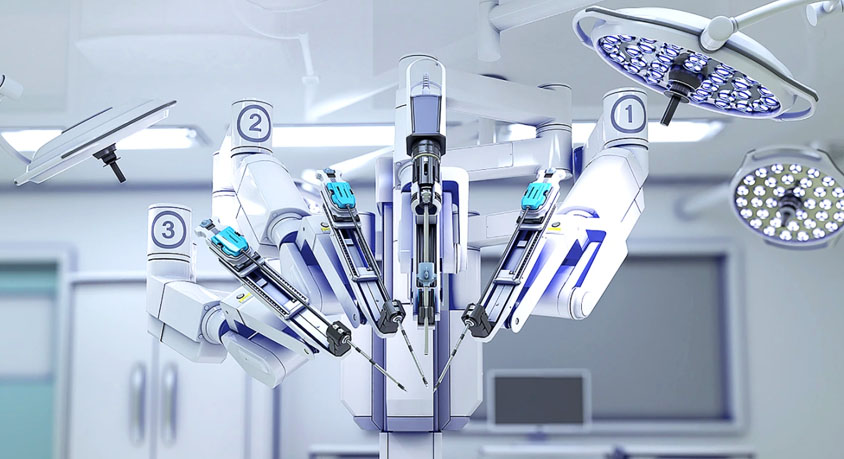
The tech stack is surprisingly simple on the surface. A surgical robot like the Da Vinci or a newer, more portable system sits on the patient’s side. It has cameras, arms, and instruments. On the surgeon’s side, a console with haptic feedback—so they can feel the resistance of tissue, the pull of a suture. The two connect over a dedicated 5G slice, a private lane on the public network engineered for one thing: absolute minimum delay. Human reaction time is about 200 milliseconds. Telesurgery needs under 50. 5G delivers 10 to 20 in ideal conditions. The time it takes for light to travel isn’t the bottleneck. The network is just… gone.
What makes this radical isn’t the tech novelty. It’s the collapse of medical geography. Right now, the best trauma surgeons cluster in cities with research hospitals. If you have a stroke in rural Kansas, you get the local on-call doctor. If you need a rare cancer surgery, you move to Houston or Baltimore for three months. Telesurgery decouples expertise from location. The specialist stays where they live. The patient stays where they live. The robot bridges the gap.
The battlefield applications are already in motion. The US military has been testing portable surgical pods that can be set up in forward operating bases. A wounded soldier in a desert outpost gets operated on by a trauma surgeon in Germany. No medevac. No hours of waiting. The same logic applies to humanitarian disasters, refugee camps, indigenous communities without permanent hospitals. Distance stops being a factor when latency drops low enough to ignore it.
Now let’s talk about the messy parts. The robot is expensive—millions per unit. The 5G coverage isn’t universal yet. And liability is a tangle. Who’s responsible if a network hiccup causes a complication? The surgeon? The hospital? The telecom? Regulatory frameworks are still being written. In the US, Medicare doesn’t have a billing code for remote surgery. In Europe, cross-border licensing is a legal maze. The tech is ahead of the policy, which is typical for anything this disruptive.
But the direction is clear. The pandemic already forced telemedicine into the mainstream. Patients got used to seeing doctors on screens. Surgeons got used to reviewing scans remotely. The next step—actually performing procedures from afar—is a smaller leap than it seems. The robots are already in hospitals. The 5G infrastructure is rolling out. The remaining friction is institutional, not technical.
The cultural shift is subtle but huge. For generations, your health outcomes were determined by where you were born. A heart attack in Boston got you a cardiologist. A heart attack in rural Mississippi got you an ambulance ride and hope. Telesurgery flattens that curve. It doesn’t fix inequality overnight, but it removes one of the most brutal factors: physical distance. The best hands can now reach you if the network can carry them.
The operating room is no longer a room. It’s a connection. Your zip code stops being a pre-existing condition. The surgeon’s hands extend through fiber optics and radio waves. Geography still exists, but it’s losing its power. And that’s a shift worth paying attention to, even if you never need it. Because one day, you might. And when you do, the person saving you won’t be in the same building. They’ll just be on the other end of a very fast line.
Disclaimer: Mention of any brand or trademark is for identification only and does not imply partnership or endorsement