There is a particular tension that surfaces when a parent begins to age alone. You install the cameras first, perhaps in the living room, angled to avoid bedrooms. Then you notice they unplug them when they feel watched. You buy the smartwatch with fall detection, the one that promises to call for help automatically. It sits on the nightstand after the third time it triggered during a vigorous game of cards. The problem is not the technology’s capability. It is the fundamental mismatch between how safety devices are designed and how older adults actually behave. A device that requires charging, remembering to wear, and consenting to being observed will fail precisely when it is most needed—not because the technology is bad, but because it asks the user to adopt a new behavior rather than fitting invisibly into existing ones.
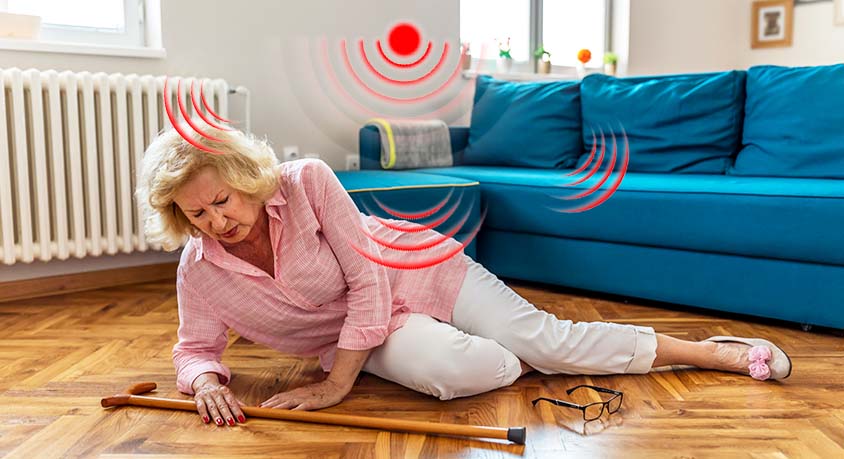
Consider what a fall actually looks like in practice. It is not the cinematic event where someone collapses dramatically and calls out. It is often a silent, sudden loss of balance in the bathroom at 2 AM, or a misstep on the way to the kitchen. The person may be disoriented, unable to reach a button, or simply too embarrassed to trigger an alarm if they are conscious. The window for effective intervention after a fall is often measured in hours, not minutes, particularly if the individual lives alone. Data from geriatric medicine studies indicate that a significant percentage of seniors who fall and remain on the floor for more than an hour develop complications like dehydration, pressure injuries, or pneumonia that dramatically change outcomes. The problem, in other words, is not that help is unavailable. It is that the call for help never happens.
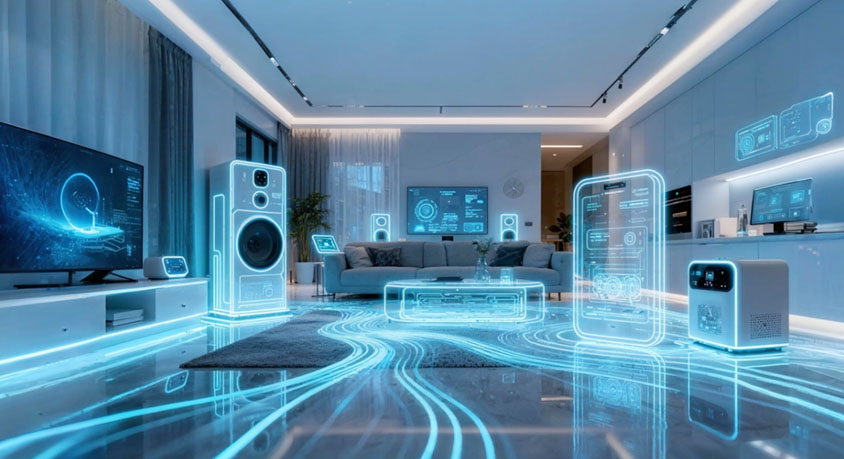
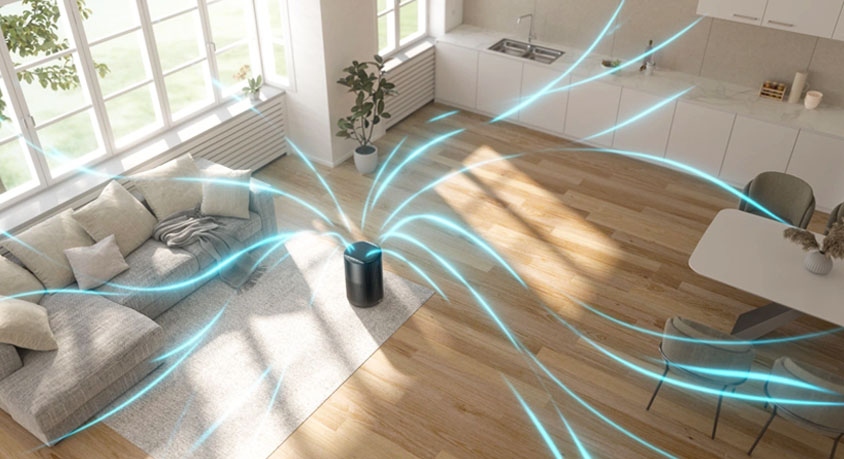
This is where millimeter-wave radar diverges from everything that came before. Unlike camera-based systems, which require optical visibility and raise persistent privacy concerns, mmWave radar emits low-power radio waves that penetrate soft materials like clothing and bedding but reflect off the human body. The system does not capture identifiable images. It constructs a three-dimensional point cloud that tracks position, posture, micro-movements, and even the subtle chest displacement associated with breathing. There is no lens to cover, no button to press, no device to wear. It sits on a shelf or mounts on a wall and does nothing except observe what it needs to observe, discarding everything else.
The technical distinction matters because it changes the relationship between the person being monitored and the monitoring itself. An older adult does not need to remember anything. They do not need to consent repeatedly. They simply live their life, and the sensor learns their baseline—how they walk, how they sit, where they spend time, what their resting respiratory rate looks like. When the system detects a deviation from that baseline that matches the signature of a fall—a sudden vertical acceleration followed by a period of immobility at floor level—it can escalate. Some devices distinguish between a fall and simply lying down for a nap by analyzing the velocity of the descent and the subsequent lack of typical post-fall movement patterns like repositioning or reaching upward.
The deeper shift here is from reactive emergency systems to continuous, passive awareness. Most home safety solutions operate on a binary: everything is fine until the user explicitly signals otherwise. But a fall that leaves someone unconscious or immobilized produces no signal. The millimeter-wave approach flips this model. It assumes that the user should never have to do anything to request help. Instead, the system observes continuously, building a model of normal activity, and only alerts when the pattern breaks in a way that is both sudden and persistent. This is not a trivial engineering distinction. It reflects a different philosophy about aging and technology—one that prioritizes autonomy over active participation.
There are practical limitations worth acknowledging. Millimeter-wave radar cannot detect a fall that occurs in a room where it is not installed. It performs best in spaces like bedrooms, bathrooms, and living areas where a person spends extended time. It may misinterpret certain movements—a pet jumping onto furniture, a pile of laundry shifting—though modern devices use machine learning models trained on thousands of fall events to reduce false positives. The most sophisticated units can also track respiratory rate over time, offering early indicators of conditions like sleep apnea or respiratory infection before they become acute. This turns the same hardware into a tool for longitudinal health observation, not just emergency response.
What makes this category of device particularly suited for long-distance caregiving is its asymmetry. The person being monitored experiences no friction. The sensor does not ask them to do anything. The caregiver, hundreds or thousands of kilometers away, receives only the information that matters—a daily summary of activity patterns, a quiet notification when the overnight respiratory rate shifts, an urgent alert when movement stops unexpectedly. This asymmetry is the opposite of traditional monitoring tools, which often burden the elderly with the responsibility of maintaining their own safety infrastructure.
The question at the heart of eldercare technology is not whether a device can detect a fall. The question is whether it can do so without altering the dignity of the person it is meant to protect. A camera intrudes. A wearable reminds the user of their vulnerability every time they strap it on. But a sensor that asks for nothing, that lives on a shelf and watches only what it must, preserves something that data sheets do not quantify: the ability to age in place without feeling like a patient in one’s own home.
Disclaimer: Mention of any brand or trademark is for identification only and does not imply partnership or endorsement