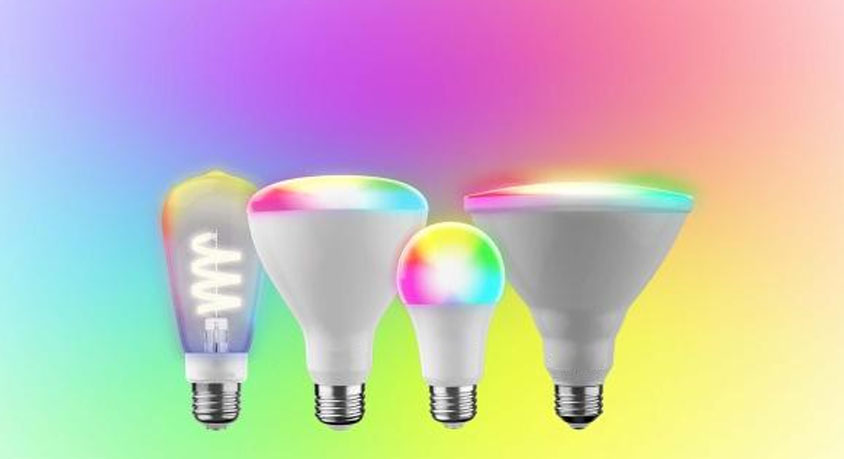
You walk into a store to buy a smart light bulb. The box says it works with Alexa and Google Home. You take it home, install it, and discover that while Alexa can turn it on and off, your existing smart home app cannot control it unless you install a separate hub and migrate to yet another ecosystem. The bulb works. The system does not. This is not a failure of technology. It is a failure of coordination. For years, the smart home industry has operated as a collection of walled gardens. Devices speak different languages, rely on different hubs, and report to different apps. The user is left to play translator.
Matter, a new connectivity standard developed by the Connectivity Standards Alliance with backing from Apple, Google, Amazon, and Samsung, attempts to solve this by doing something that sounds obvious but has proven remarkably difficult: defining a common language that all devices can speak. Matter is an application layer protocol that runs over existing transport technologies like Wi-Fi, Thread, and Ethernet. A Matter-certified device can communicate with any Matter-certified controller regardless of manufacturer. The brand on the box becomes irrelevant. The question shifts from “does this work with my system” to “is this Matter-certified.”
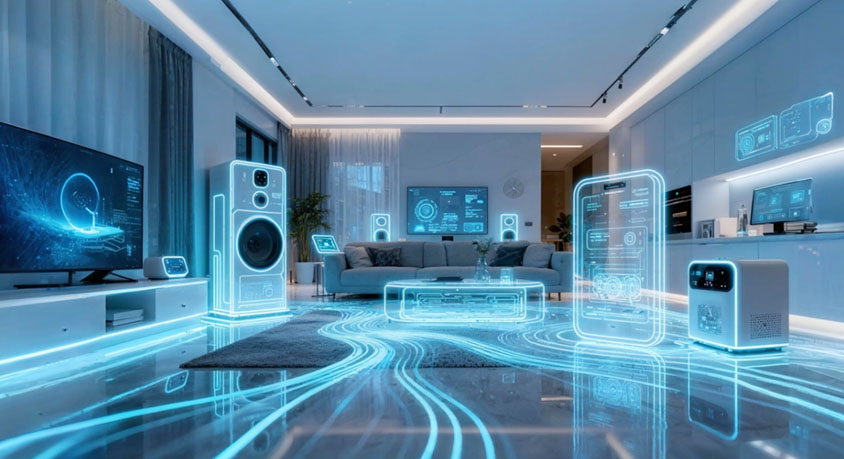
The technical architecture that enables this is worth understanding because it explains why previous standards failed. Past attempts at interoperability relied on bridges and hubs that translated between protocols—Zigbee to Wi-Fi, Z-Wave to Ethernet—but left the fragmentation intact. Matter replaces the translation layer with a unified application layer. Devices communicate directly with controllers using a standardized data model. A light bulb from Philips, a switch from Leviton, and a sensor from Eve all report their state in the same format, accept commands in the same format, and require no intermediary beyond the network itself.
The structural shift this creates is not merely about convenience. It changes the economics of the smart home. When devices were locked to specific ecosystems, consumers were effectively making a platform choice every time they bought a device. Choose Amazon, and you limited yourself to devices that prioritized Alexa integration. Choose Apple, and you looked for the HomeKit logo. Switching platforms meant abandoning your investment. Matter decouples device purchases from platform allegiance. You can buy a Matter-certified smart plug today, use it with whatever system you currently have, and move it to a different system next year without replacing it. The device outlasts the platform decision.
There is a deeper implication about control. In the fragmented model, the manufacturer of the device also controlled the cloud service that made it work. If the company shut down its servers, the device became a paperweight. Matter was designed with local control as a principle. Matter-certified devices communicate over the local network. They do not require cloud connectivity to function. A Matter light bulb will respond to a Matter switch even if the internet is down. The cloud can still provide remote access and advanced features, but the core functionality does not depend on it. The user retains a degree of control that was previously outsourced to manufacturers.
The adoption curve matters here. Matter is now in its third major version, with support for most common device types—lights, switches, locks, thermostats, sensors, blinds, and appliances. The number of Matter-certified devices has grown into the thousands. Major platforms have integrated Matter controllers into their products. An Apple HomePod, a Google Nest Hub, an Amazon Echo can all serve as Matter controllers. The infrastructure is in place. The remaining gap is consumer awareness. Most people still shop for smart home devices by brand or by voice assistant compatibility. They do not yet look for the Matter logo. But the shift from ecosystem-specific compatibility to universal compatibility is structural. It does not require every consumer to understand it. It only requires that the devices they buy work together without them having to think about it.
The question that remains is whether Matter will succeed where previous standards failed. The history of smart home interoperability is littered with promising protocols that fragmented further rather than unifying. Matter has advantages that previous attempts lacked: backing from the dominant platform companies, a governance structure that includes both hardware manufacturers and software providers, and a technical foundation that does not require retrofitting existing infrastructure. But standards are not self-executing. They succeed when they reduce friction for both manufacturers and consumers. Manufacturers adopt Matter because it reduces the cost of supporting multiple platforms. Consumers benefit because devices become interchangeable. The incentive alignment is better than it has ever been.
What this means for the average user is simple in practice though complex in implementation. You can now buy a smart lock from one brand, a smart thermostat from another, and a smart camera from a third, and expect them to work together through your preferred app. The app is the interface. The devices are the infrastructure. The brand on the box is just a manufacturing detail. This is how the smart home was always supposed to work. It took fifteen years of fragmentation to arrive at the obvious solution: one language, local control, open to all. Matter is not the first attempt at that solution. But it is the first attempt with the weight and coordination to make it stick. The question is not whether it will work. It already does. The question is how long it will take for the market to catch up to what the technology now makes possible.
Disclaimer: Mention of any brand or trademark is for identification only and does not imply partnership or endorsement