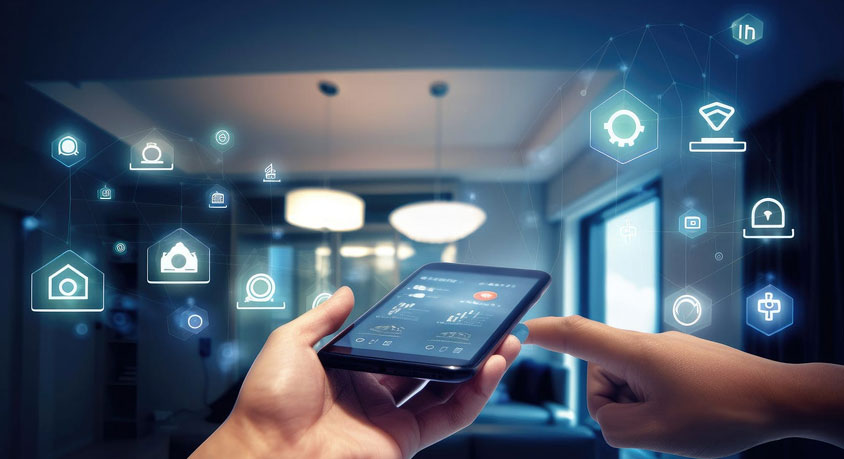
Over the past few years, the Indian market has witnessed a growing interest in smart homes. Consumers are enthusiastic about advanced technology and are actively embracing and engaging with it. This trend predicts that the number of active households will grow exponentially until 2027.
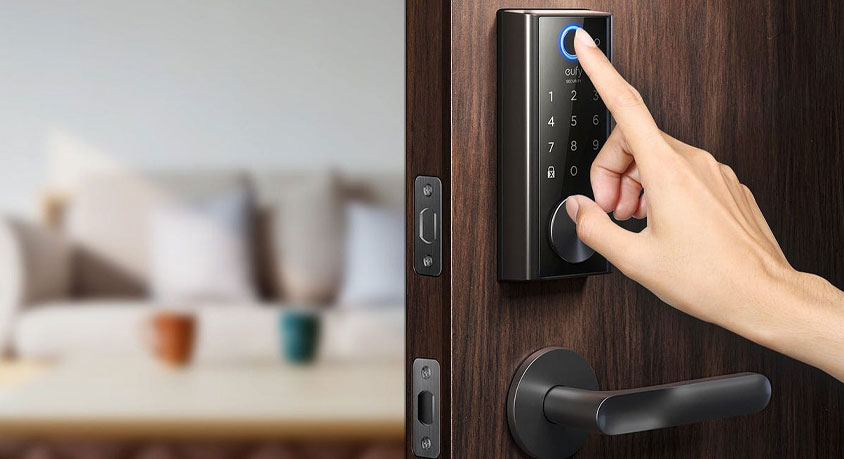
Many homeowners have grown up with technology and are enjoying the convenience and advantages it offers. Even seemingly simple tasks like unlocking a door have been made easier by technology. The advent of fingerprint door locks has eliminated the need for people to carry keys with them, and security has been significantly improved. Smart devices open up the possibility of connecting everything to the Internet.
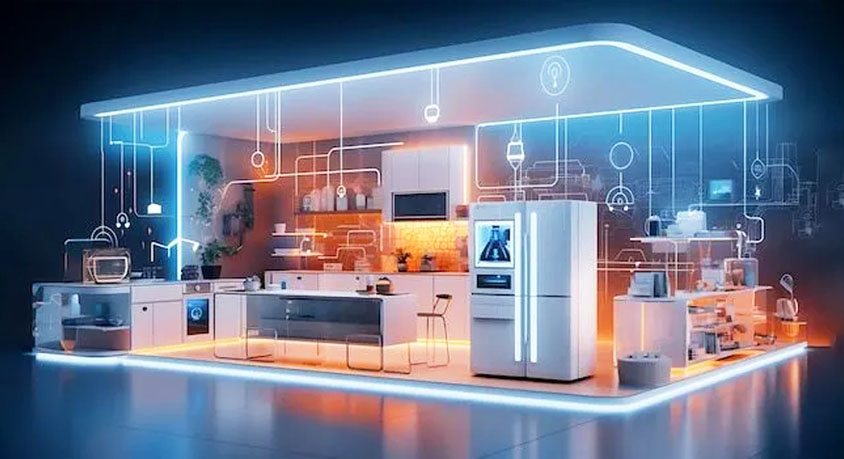
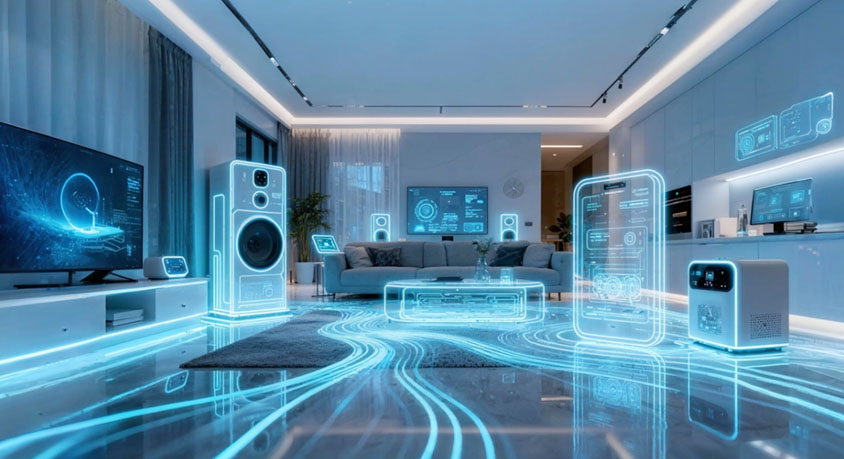
"The Internet of Things (IoT) refers to a network of connected devices or people that can collect and share data over the Internet. A home is considered smart when we can access it even when we are not at home, and this is what the IoT helps to achieve.
When smart homes are connected to the IoT, they create a strong connection that can be accessed anytime, anywhere. Even if you're on vacation, you'll be able to keep an eye on all aspects of your home's environment.
Comfort: Modern consumers expect to be able to control everything at the touch of a button, and smart home technology fulfills this need. People can easily adjust the temperature of a room, keep a close eye on the condition of their property, or turn off the lights in a room with the help of a mobile app. It simplifies and automates many operations throughout the home and gives people total control. Therefore, security and accessibility are always key elements.
Durability: Consumers may be apprehensive about investing in smart products due to a lack of sufficient knowledge about how smart devices are used or maintained. Given that IoT works through the internet, there might be doubts about the protection of data and its use in the future. However, new age companies are working hard to make the use of smart devices easy and long lasting.
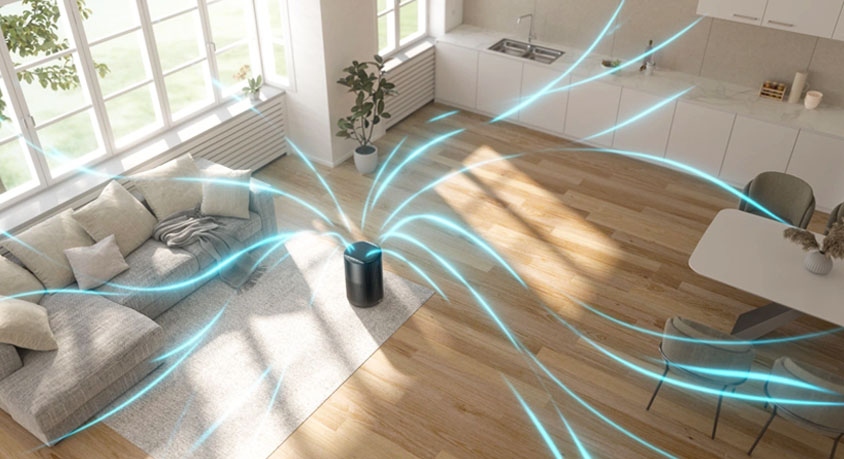
Control and monitoring: the IoT greatly enhances the ability to manage and monitor activities within premises. IoT programs are able to collect data about how the home is functioning and send timely alerts when any suspicious activity is detected.
Cost and energy savings: we are able to easily optimize the use of each smart device and adjust the smart home settings in a more cost-effective way. It is also possible to assign tasks through the smart home system. If no one is home, the system will turn off all unused devices, thus saving energy.
Disclaimer: Mention of any brand or trademark is for identification only and does not imply partnership or endorsement