Let’s get real: modern RPGs treat travel like a chore to skip. Why trudge through forests when you can teleport from tavern to dungeon in 2 seconds? But Dragon’s Dogma 2 scoffs at that convenience, shoves a torch in your hand, and says, “Hit the road—your next adventure’s not at the quest marker, it’s in the mud between here and there.” It’s a game that turns “I have to walk 10 miles?” into “Wait, did that bush just move?”—and somehow, that’s its greatest superpower. So why is this unapologetically old-school approach polarizing players, yet hooking thousands who swear it’s the best RPG in years? Because Dragon’s Dogma 2 doesn’t just let you adventure—it makes you earn every step of it.
Limited fast travel isn’t punishment here; it’s the foundation of immersion. You won’t find waypoints on every hill or portals around every corner—just oxcarts that trundle along risky roads and rare portcrystals you have to hunt down. At first, it feels tedious: why amble through rain when you could zip to your destination? But then you stumble on a hidden cave full of treasure, or a bandit ambush that turns into a chaotic fight where your pawn yells “Hold fast, Arisen!” as they heave a boulder at enemies. Suddenly, the “boring” walk becomes the story. You learn the lay of the land—where the safe paths wind, which bridges collapse at the worst moment, which villages serve decent ale after a long day. Travel isn’t something to skip; it’s where Dragon’s Dogma 2’s world comes alive.
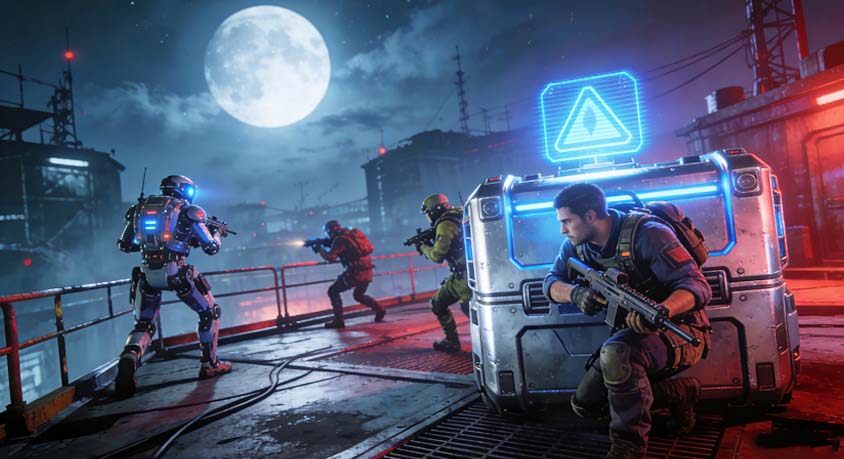
Then there’s the day-night cycle that doesn’t just change the sky—it changes the rules. When the sun dips below the mountains, this isn’t a cosmetic shift; it’s a survival alert. Wolves hunt in packs, ghosts drift through foggy roads, and even lowly goblins get bolder under the moon. You’ll find yourself sprinting for the nearest inn, torch sputtering, as a howl echoes behind you. Or you’ll camp in a ditch, huddled with your pawns, listening to monsters roar in the dark. It’s tense, yes—but it’s also thrilling. Unlike games where night is just a darker day, Dragon’s Dogma 2 makes you respect the dark. You plan your trips around sunlight, stock up on healing items before dusk, and learn that sometimes the smartest move isn’t rushing to the quest—it’s waiting for dawn.
And let’s not forget the pawns—your AI companions who are equal parts helpful, chaotic, and weirdly endearing. They’re not perfect: they’ll charge a griffin without backup, get stuck on tree branches, and yell “Ware, trap!” after you step on it. But that imperfection is the point. They feel like actual traveling buddies—annoying, loyal, and full of terrible advice that somehow saves your skin. You’ll laugh when they panic at a group of goblins, groan when they repeat the same line for the 50th time, and genuinely mourn when one falls in battle. They turn solo walks into group adventures, and their quirks make even the longest treks feel like you’re not alone in the wilderness.
Dragon’s Dogma 2 isn’t for players who want instant gratification. It’s for anyone who misses the days of RPGs where “getting there” was half the fun—where discoveries felt earned, not handed to you, and where every misstep turned into a story. In a world of streamlined open worlds and fast-travel overload, it’s a rebellion: a game that says slow down, look around, and embrace the chaos of the journey. It’s polarizing because it doesn’t play by modern rules—but that’s exactly why it’s addictive.
So grab your pawns, pack a torch, and lace up your virtual boots. You’ll get lost. You’ll get chased by monsters. You’ll curse the lack of fast travel at 2 a.m. But when you finally crest that hill and see a village glowing in the distance, or stumble on a hidden dungeon that feels like it was made just for you—you’ll remember why Dragon’s Dogma 2’s “flaws” are actually its greatest strengths. Adventure isn’t about how fast you get there. It’s about what happens along the way.
Disclaimer: Mention of any brand or trademark is for identification only and does not imply partnership or endorsement