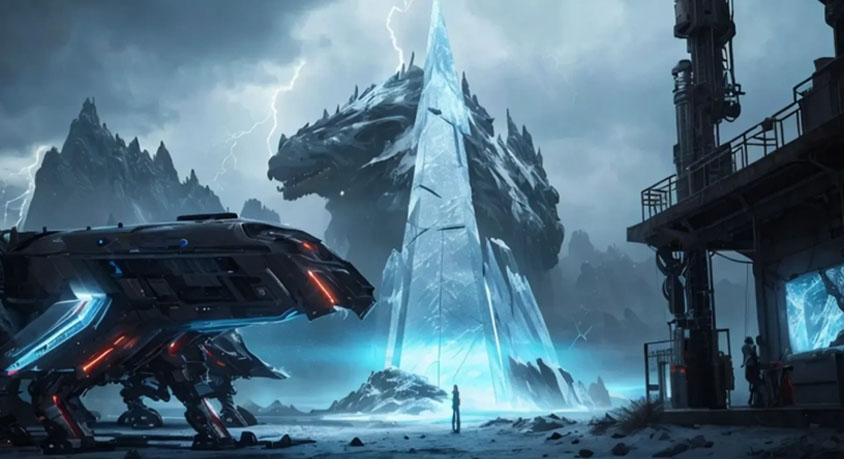
A pump fails at a drilling platform in the North Sea. The platform is remote. The weather is bad. A helicopter cannot fly. In the old model, the pump stays broken for three days. Production stops. The cost is half a million dollars. In the new model, an engineer in Houston puts on a headset. He is looking at a digital twin, a perfect 3D replica of the platform rendered in real time from 50,000 sensors. The twin shows him the pump. It shows him the vibration signature, the temperature gradient, the pressure drop. He zooms in on a valve. He sees the exact part number. He instructs the on-site technician, who has never seen this pump before, to turn a specific bolt three degrees counterclockwise. The technician does it. The pump resumes operation. The engineer never left his desk. The platform never stopped.
This is the industrial IoT. It is not about replacing humans with robots. It is about extending the reach of human expertise across continents. It is about making the physical world as transparent and manipulable as a spreadsheet. The sensor network is the nervous system. The digital twin is the brain. The human is the decision maker. But the human who cannot read the data is blind.
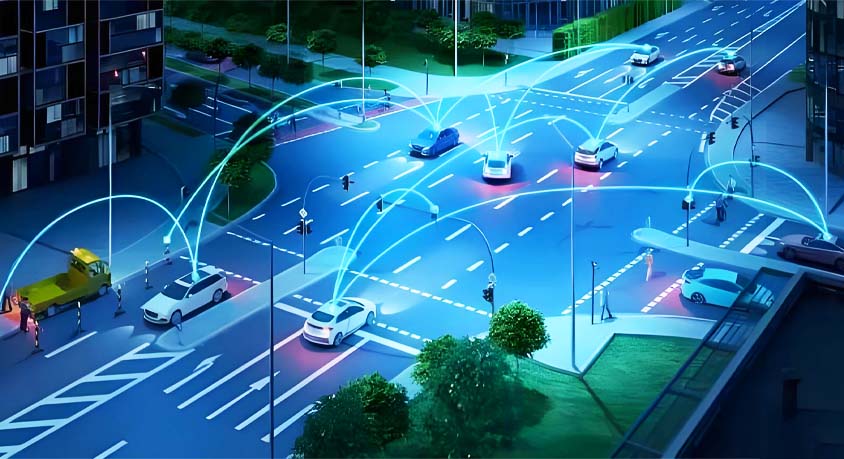
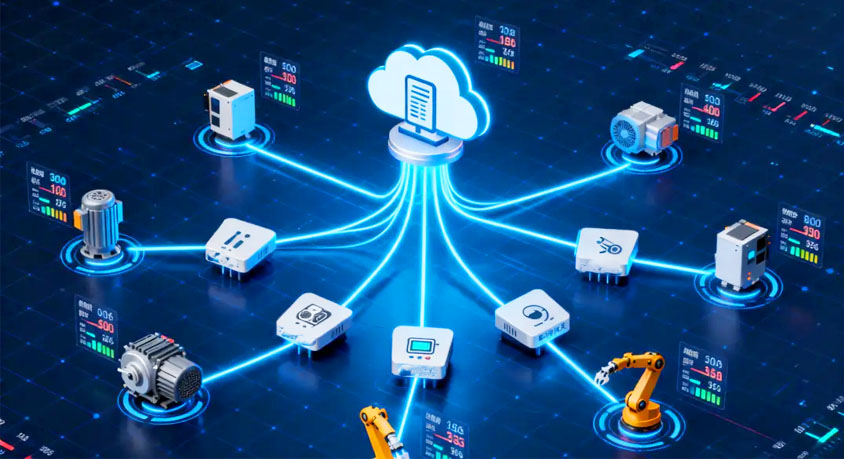
The architecture is simple. Thousands of sensors monitor every rotating shaft, every fluid line, every structural stress point. They stream data to a central platform. The platform constructs a living model. The model runs simulations. It detects anomalies before they become failures. It tells you that Bearing 47 in Pump 3 has 300 hours of useful life remaining. You order the replacement part now. You schedule the maintenance for next Tuesday at 2 AM. The failure never happens. This is the elimination of unplanned downtime. In manufacturing, unplanned downtime costs $250,000 per hour on average. In oil and gas, it is higher. In aviation, it is catastrophic. The sensor network does not sleep. It does not take breaks. It watches every asset, every second.
For the worker, this changes everything. The old model valued physical presence. If you could turn a wrench, you had a job. The new model values data literacy. The wrench is still turned, but it is turned based on a diagnosis delivered through a tablet. The technician on the platform does not need to know everything about every pump. They need to know how to follow the instructions from the digital twin. They need to know how to feed data back into the system. They need to speak the language of the sensors.
The shift is not limited to blue-collar roles. The engineer in Houston also faces displacement. If they cannot interpret the digital twin, if they cannot run the predictive models, if they rely on intuition rather than data, they are a liability. The platform generates more data in an hour than a human can process in a week. The engineer becomes a bottleneck unless they use software to filter, analyze, and decide. The tools are the new competence.
The economic pressure is relentless. A competitor with a fully instrumented plant runs at 92% uptime. Your plant, with manual inspections and reactive maintenance, runs at 78%. That 14-point gap is the difference between profit and loss. You cannot compete by hiring more humans. Humans are too slow. You compete by installing more sensors. The sensors do not get tired. They do not forget to check. They do not retire. They just report.
The workforce implication over the next decade is brutal. Jobs will not disappear, but they will transform. A maintenance crew that once needed ten mechanics will need three, supported by one data analyst. The seven mechanics who did not learn to read the sensor dashboard will be laid off. The three who learned will earn more. The disparity is not about intelligence. It is about adaptation. The tools are available. The training is online. The choice is personal.
The digital twin is the interface. It is the map that shows where the asset is, what it is doing, and what it will do next. It is the collective intelligence of the sensor network rendered into a human-readable form. The engineer does not need to remember every specification. They click on the pump, and the data appears. They run a simulation, and the twin shows the outcome. The twin is the bridge between the flood of raw data and the human mind that needs to act.
The future of work is not human versus machine. It is human augmented by machine. The sensor network is the boss in the sense that it sets the agenda. It tells you what needs attention. It tells you when something is wrong. It tells you what will break tomorrow. You do not argue with the data. You act on it. The humans who understand this, who treat the sensors as colleagues rather than threats, will be the ones still employed. The rest will be replaced by a network that never sleeps and never complains. It just reports. And the reports are always accurate.
Disclaimer: Mention of any brand or trademark is for identification only and does not imply partnership or endorsement