Your municipal water utility is replacing the old mechanical meter at the curb with a new, digital "smart" model. The stated reasons are efficiency: detecting leaks remotely, enabling precise billing, and managing district-wide demand. The upgrade notice mentions nothing about the meter's new sampling rate—how it now records not just total gallons used per hour, but the unique, high-resolution signature of every water event in your home. By analyzing the minute fluctuations in flow rate and pressure, a technique called Non-Intrusive Load Monitoring (NILM) for water, the meter can distinguish between a shower, a running dishwasher, a garden hose, and a toilet flush. The data point is water flow. The inferred information is a timeline of your household's most intimate routines. In 2026, the infrastructure of public health will become the infrastructure of passive behavioral surveillance.
The science behind this is called water acoustic or hydraulic fingerprinting. Think of your home's plumbing not as a set of pipes, but as a musical instrument. Each fixture—a toilet valve, a showerhead, a faucet aerator—creates a distinct "note" when used: a specific pattern of pressure drop and flow rate. A high-precision meter acts like a highly trained ear pressed against the main water line. A toilet flush is a sharp, high-volume burst followed by the tank refill's characteristic trickle. A shower is a steady, medium-flow stream. A washing machine has a complex, multi-stage signature. Machine learning algorithms, trained on thousands of labeled samples, can classify these events with over 95% accuracy. The meter doesn't need to be inside your house; it learns from the vibrations traveling through the water in the pipe from your fixtures to the street.
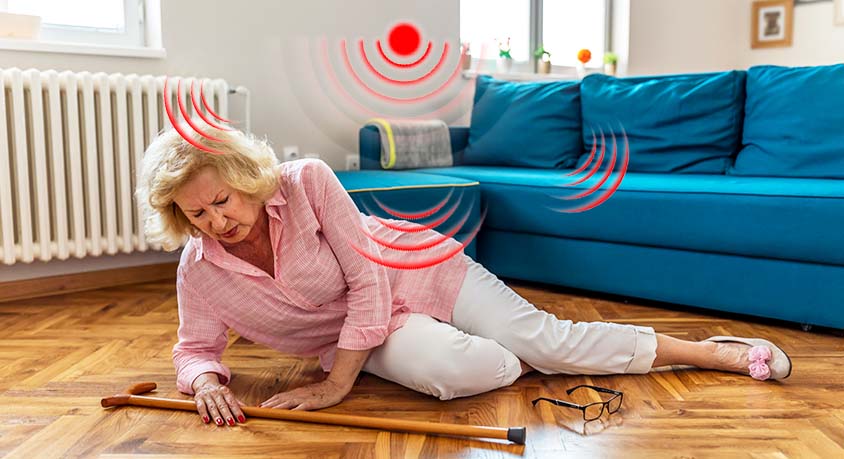
This creates a profound and non-consensual window into private life. The aggregated data answers questions you never intended to answer: How many people live here? (Count the morning shower peaks between 7-9 AM.) Do you work night shifts? (Note dishwashing or shower events at 3 AM.) Do you have guests? (Observe a sustained increase in toilet and sink use over baseline.) Is an elderly resident's routine changing, potentially indicating illness or cognitive decline? (Detect missed medication times linked to sink use or unusual overnight activity.) The data is a biometric of your household's composition and rhythm. While utilities claim this is used only for "system health," the granular dataset exists on their servers, subject to internal policies, subpoenas, and the risk of breach.
The secondary market for this inferred data is the real threat. While selling individual water usage is often restricted, selling "anonymized insights" or "risk scores" is not. A property data aggregator could buy utility data, correlate it with tax and real estate records, and sell a profile: "Household of four, dual-income schedule inferred, frequent evening dishwasher use indicates regular home cooking." This is gold for marketers, but also for property insurers assessing "lifestyle risk," or even municipal agencies estimating occupancy for tax or zoning enforcement. In areas with water restrictions, the data provides perfect, automated enforcement of rationing, turning conservation into constant compliance monitoring.
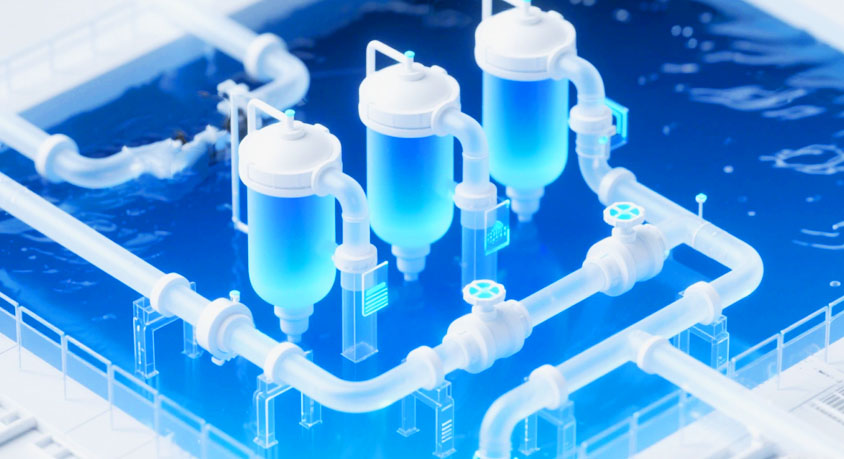
Your defensive protocol must focus on obfuscation and data rights. First, install a physical flow capacitor. This is a simple, in-line expansion tank or buffer vessel installed after your main shutoff but before your house lines. It dampens the sharp pressure and flow signatures from individual fixtures, blending them into a smoother, less distinguishable aggregate flow. It protects privacy while having no impact on water pressure or function. Second, conduct a data audit and opt-out. File a request with your water utility for all data collected from your meter, including event-level disaggregated data if available. Then, formally request to opt-out of all detailed data collection and insist on providing only aggregated, monthly total usage for billing. Cite privacy laws like the CCPA. Third, understand and use the law. Research your state's regulations on utility data. Some states classify water usage data as the customer's property. Assert that ownership. For new construction, specify a basic, low-resolution meter in your plans.
The smart water meter transforms a public utility into a live-in stenographer for your private life. The goal is not to refuse modern infrastructure, but to force it into a privacy-preserving mode. You must blur its hearing, limit its reporting, and legally challenge its right to the fine-grained data. Your water consumption is a utility's business; the behavioral patterns it reveals are not. Configure your plumbing and your legal stance to ensure the meter remains deaf to the story of your home. Trust the pipe, but not the algorithm listening to it. Your privacy depends on introducing enough noise into the system to make the signal meaningless.
Disclaimer: Mention of any brand or trademark is for identification only and does not imply partnership or endorsement