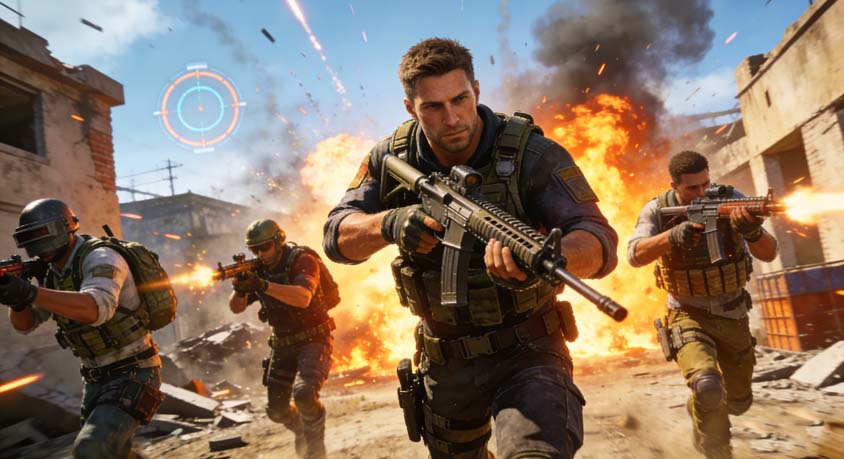
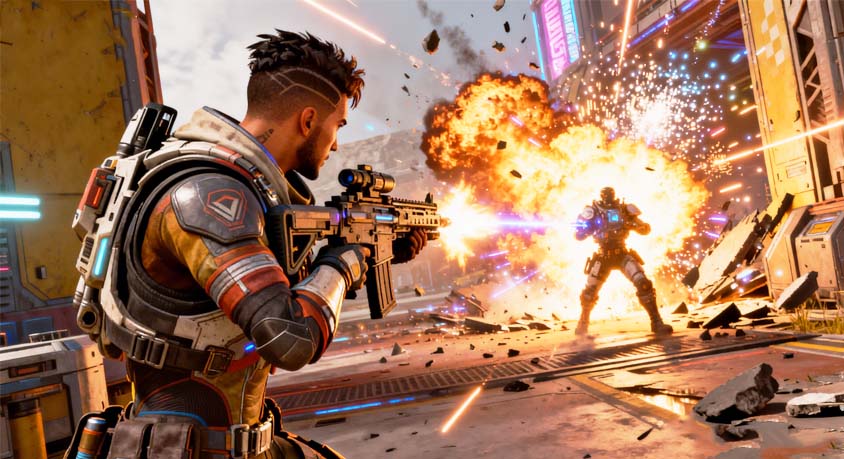
It's a professional Apex Legends tournament. The stakes are high. The players are focused. The audience is watching. And then, mid-match, something impossible happens. A player's screen starts displaying cheats that he didn't install. Another player's aim is forcibly controlled by an outside source. The match is compromised. The tournament is paused. The internet loses its collective mind. This isn't a hypothetical. This actually happened. Hackers, for reasons that range from "proving a point" to "watching the world burn," breached the game's security at the highest possible level, during a live, broadcasted competition. If that doesn't signal that a game is in trouble, I don't know what does. But the hacking incident isn't the disease; it's a symptom. Apex Legends, once the freshest, most exciting battle royale on the market, is showing signs of a deeper, more systemic illness. The player counts are dropping. The veterans are drifting away. The magic that made it a phenomenon is fading. And the question that hangs in the air, as heavy as a Gibraltar ultimate, is simple: is this the end?
To understand the current crisis, you have to understand what made Apex special in the first place. It arrived like a thunderbolt, a surprise launch that changed the conversation overnight. The movement was fluid. The ping system was revolutionary. The characters had personality. It was a battle royale that actually felt different, that carved its own space in a genre already crowded with titans. For years, it rode that wave, building a dedicated community, a thriving esports scene, and an identity that felt genuinely unique. But somewhere along the way, the momentum stalled. The updates started feeling iterative rather than innovative. The meta, once a source of exciting experimentation, settled into a predictable rotation of the same few legends. The battle pass became a grind rather than a joy. The game, in short, started feeling like work.
This is the quiet killer of live-service games: the slow erosion of fun. It doesn't happen overnight. It's death by a thousand cuts. A legend gets nerfed into irrelevance. A new character arrives with abilities that feel recycled. A season passes without a meaningful content drop. The player doesn't quit in a rage; they just… play less. They find other things to do. They check out the new shooter, the new RPG, the new anything. And one day, they realize they haven't launched Apex in a month. The game didn't die; it just became irrelevant.
The hacking incident, then, is the canary in the coal mine. It's not just a security breach; it's a sign that the systems protecting the game are failing. If hackers can breach a live tournament, what's happening in the casual lobbies? The answer, if you've played recently, is chaos. Cheaters are rampant. The report system feels ineffective. The trust that players place in the game's integrity is eroding. And once that trust is gone, it's almost impossible to rebuild. Players will tolerate a lot—grinds, bugs, slow updates—but they will not tolerate a game where victory feels meaningless because the other guy might be cheating.
And yet, here's the strange, stubborn truth: Apex Legends is still, at its core, a brilliant game. The gunplay is still crisp. The movement is still unmatched. When you get a good match, with a good team, in a clean lobby, there's nothing else like it. The potential is still there, buried under the weight of mismanagement and technical decay. The question is whether Respawn and EA can dig it out. Can they fix the cheating? Can they revitalize the content pipeline? Can they remind players why they fell in love in the first place?
The esports scene, for all its current chaos, might be the key. Professional players are the game's most visible ambassadors. When they're happy, they generate hype. When they're frustrated, they generate doubt. The hacking incident has shaken their confidence, but it's also focused attention on the game's vulnerabilities. If Respawn responds aggressively, with real fixes and real communication, they might turn this crisis into a turning point. If they don't, the slow bleed will continue.
So, is Apex Legends dying? Not yet. But it's on life support. The heartbeat is still there, but it's weaker than it used to be. The players who loved it are watching, waiting, hoping for a reason to stay. The hackers, the grind, the stagnation—these are the threats. But the loyalty of a community that remembers the magic?
Disclaimer: Mention of any brand or trademark is for identification only and does not imply partnership or endorsement