

Modern AAA games love to hold your hand like you’re a lost toddler—linear levels, glowing waypoints, and cutscenes that pause if you blink. Then along comes System Shock Remake (and its spiritual successors) to tap them on the shoulder and say, “Hey, remember when games trusted you to think?” This 90s classic-turned-reboot isn’t just a nostalgia trip—it’s a masterclass in immersive sim design that puts many big-budget titles to shame. How did a game with roots in the dial-up era outshine 2020s releases? Because it stuck to three timeless rules: show, don’t tell; let players choose; and never make them feel invincible.
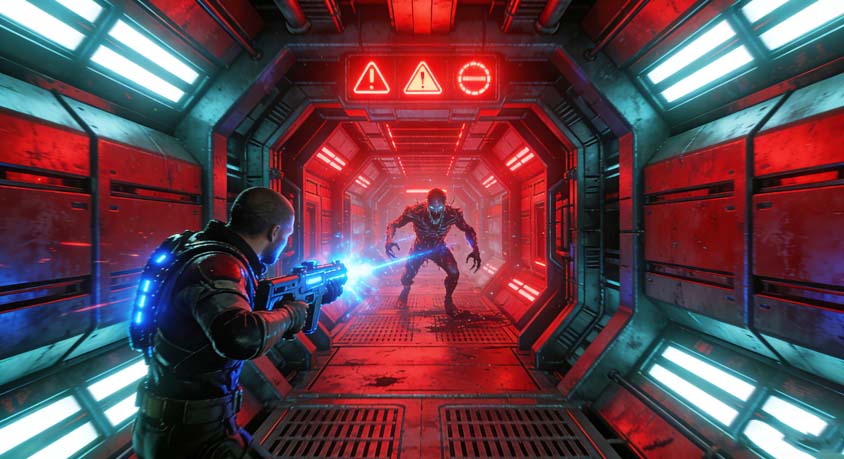
Let’s start with environmental storytelling—the art of letting the world speak for itself. Modern games hit you with exposition dumps and character monologues; System Shock drops you in a derelict space station where every broken terminal, scorched lab coat, and scattered log tells a story. You don’t need a cutscene to know SHODAN’s reign of terror—you feel it in the flickering lights, the automated distress messages, and the empty bunks of crew members who never made it out. It’s storytelling that respects your intelligence, letting you piece together the narrative like a detective instead of a passive viewer. And guess what? Modern indies and spiritual successors (looking at you, Prey and Atomic Heart) are stealing that playbook, ditching hand-holding for worlds that reward curiosity.
Then there’s the freedom to solve problems your way. Most AAA games give you a “choice” between two weapons or three dialogue options—System Shock lets you hack a security terminal to disable turrets, sneak through air vents to avoid enemies, or rig a gas canister to explode and clear a room. Want to bypass a locked door with a wrench instead of a keycard? Go for it. Feel like using a teleportation module to jump over a chasm instead of finding a bridge? Be my guest. It’s the opposite of linear design: the game sets a goal, then steps back and lets you figure out the how. This isn’t “open world” bloat—it’s focused freedom, and it’s why immersive sims feel so empowering. Modern games often confuse size with choice, but System Shock proves the best adventures are the ones where you’re in control of the journey, not just the destination.
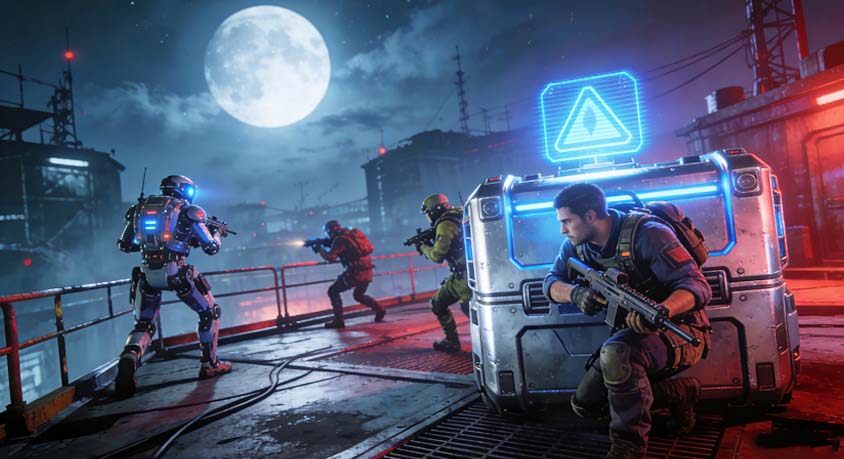
And let’s not forget the fragile player character. Modern heroes can soak up bullets like sponges; System Shock’s protagonist is one wrong move away from a quick death. You need to manage health, ammo, and energy carefully, turning every encounter into a strategic dance. Want to take on a cyborg? You’d better stock up on medkits and find a weapon that penetrates its armor first. This vulnerability doesn’t feel punishing—it feels tense, like you’re truly surviving a disaster instead of just playing through one. It’s a design choice that modern games often abandon in favor of power fantasies, but it’s exactly what makes immersive sims so immersive: when every decision matters, you’re fully invested in the world.
By the time you take down SHODAN (again), you’ll realize System Shock’s greatest legacy isn’t its graphics or its story—it’s its trust in the player. It doesn’t treat you like someone who needs to be entertained; it treats you like someone who wants to engage. In a world of AAA games that prioritize spectacle over substance, this classic-turned-reboot is a reminder that the best game design never goes out of style. It’s not about how big your open world is or how realistic your graphics are—it’s about making players feel like they’re part of a living, breathing world that reacts to their choices.
Disclaimer: Mention of any brand or trademark is for identification only and does not imply partnership or endorsement