
Raise your hand if you've ever opened your electric bill and actually gasped. Like, full-on reality-check moment where you question if you're running a small business or just charging your phone every night. The numbers keep climbing, the grid keeps crying, and somehow you're paying peak prices for electricity generated at 3 PM when the sun is literally screaming free energy at the sky. It's giving "paying for bottled water at a fountain." And honestly? It's so 2023.
But here's the plot twist your utility company doesn't want you to know: electricity doesn't have a fixed price. It's a rollercoaster. It fluctuates every few minutes based on demand, supply, and how hard the grid is sweating. Most people treat their power bill like a tax—inevitable and boring. But the smart money (literally) is treating it like a stock market. And your house? It's about to become your personal day trader.
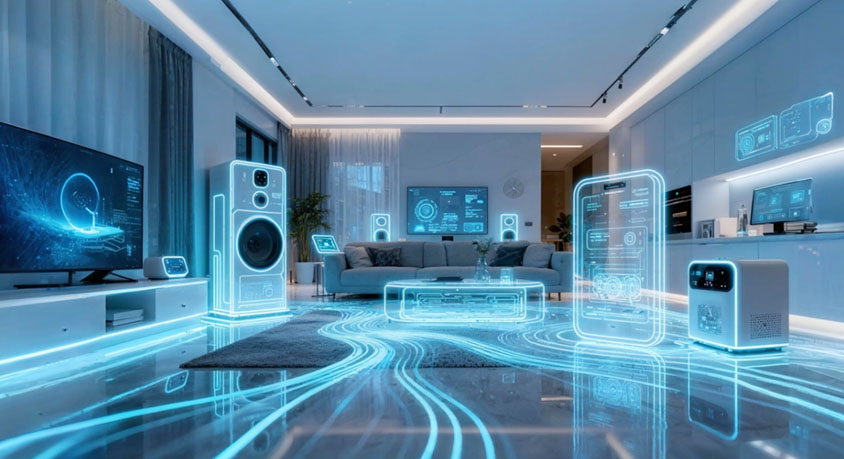
Welcome to the world of energy harvesting hubs, where your home stops being a passive consumer and starts playing the grid like a fiddle. The core tech is deceptively simple: an AI-powered brain that monitors real-time energy prices across your regional grid, then decides exactly when to flip the switch on your biggest power hogs. Your EV charger? It waits. Your water heater? It's patient. Your dishwasher? It's literally watching the market and timing its cycle for that sweet, sweet low-price window.
Here's how it actually goes down IRL. You come home from work, plug in your Tesla (or whatever eco-flex you're rolling), and forget about it. Most people assume it starts charging immediately. It doesn't. Your energy hub, connected to live pricing data, sees that rates are spiking because everyone just got home and turned on their AC. It holds. At 2 AM, when wind farms are overproducing and demand is basically zero, the price drops to a fraction of a cent. The hub says "go," and your car sips electricity while you're dreaming about somewhere tropical. You wake up to a full battery and a bill that didn't just shrink—it practically disappeared.
The math here is actually insane. In markets with dynamic pricing, the difference between peak and off-peak can be a factor of ten. Charging your car at 6 PM might cost $15. At 3 AM, it's $1.50. Do that every day for a year, and you're looking at savings north of $1,000. That's not a hack. That's a whole vibe shift. And the AI isn't just looking at the clock—it's analyzing weather forecasts, grid congestion reports, and even local events that might spike demand. It's like having a energy broker living in your breaker box.
But here's the part that really breaks the internet: your house can actually sell power back. If you've got solar panels or a battery wall, the hub doesn't just buy low—it sells high. On a scorching summer afternoon when the grid is desperate and prices hit peak, your system can discharge your stored battery power back to the utility at a premium. You become a micro power plant. Your house literally earns money while you're at work. The grid pays you because you were smart enough to store energy when it was cheap and give it back when it was scarce.
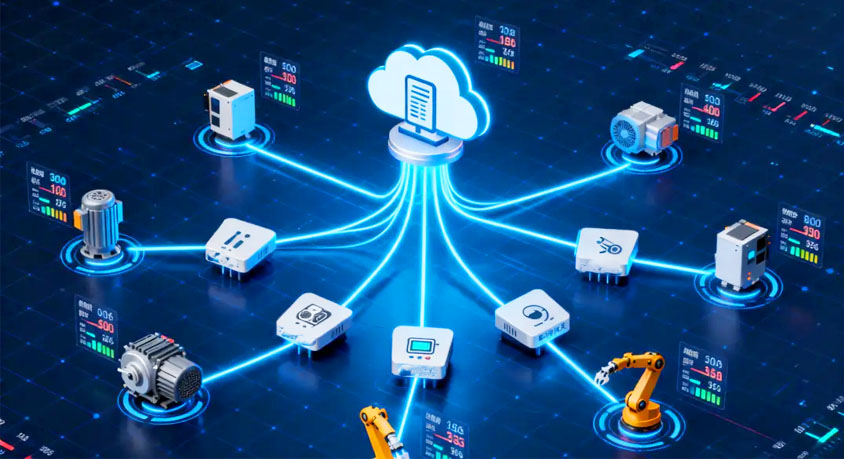
The hardware stack is cleaner than your Sunday reset. A smart energy monitor clamps onto your main panel and tracks every electron flowing in or out. Smart plugs and switches give the AI granular control over individual appliances. A connected EV charger (Level 2, obviously) takes commands from the hub. And the whole system talks to your utility through standardized protocols like OpenADR, which is basically a universal language for "hey grid, I'm flexible, pay me."
The privacy piece? Surprisingly solid. Your energy data is sensitive—it can reveal when you're home, when you're asleep, when you run your weird 3 AM smoothie habit. But most hubs process the data locally or with strict encryption. You're not feeding a tech giant your daily routine. You're just giving an algorithm permission to save you money. It's like having a financial advisor who only cares about kilowatts.
The cultural shift here is massive. We've been trained to think of energy as a fixed cost, something we just pay and forget. But the grid is literally begging us to be flexible. Every time you shift your demand to off-peak hours, you're helping prevent blackouts, reducing the need for dirty peaker plants, and stabilizing the whole system. It's not just selfish savings. It's collective grid hygiene. You're a citizen of the grid now. Act like it.
Disclaimer: Mention of any brand or trademark is for identification only and does not imply partnership or endorsement