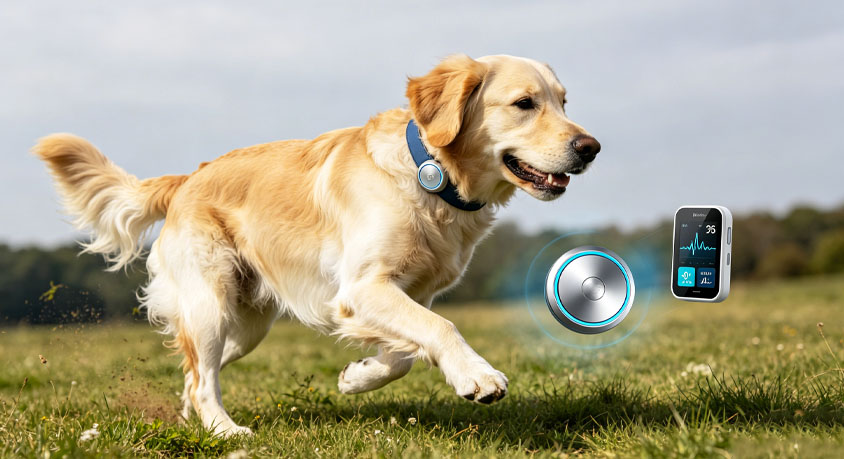
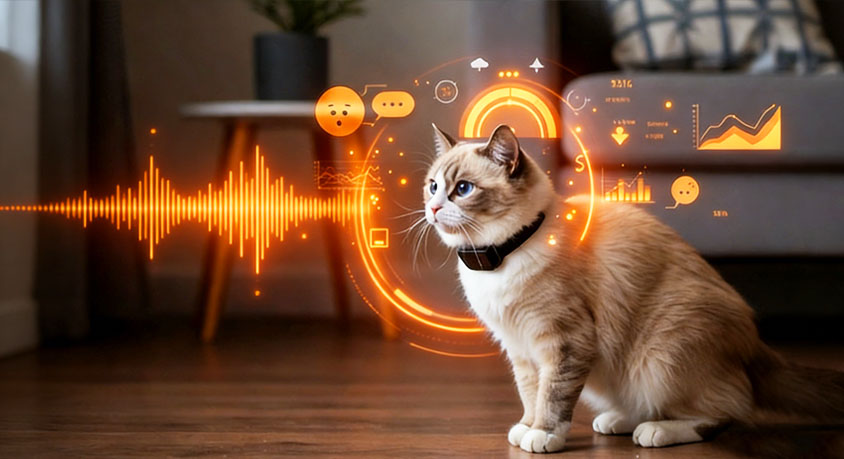
Your dog barks at the delivery person. A small device on its collar lights up, and a cheerful female voice from your smartphone announces: "Alert! Intruder detected!" Later, a different, more plaintive bark triggers the message: "I'm bored." This is the promise of the latest pet tech: an AI-powered translator that interprets your dog's vocalizations and states into human language. The marketing frames it as a breakthrough in interspecies bonding. Functionally, it is a sophisticated, always-on audio sensor worn by your pet, roaming through every room of your house, streaming data to a cloud for analysis. In 2026, the critical question shifts from "Can it translate?" to "What else is it translating, and for whom?"
The technology hinges on pattern recognition, not true linguistic understanding. Think of the AI not as a fluent speaker of "Dog," but as a highly tuned guesswork engine. It records barks, whines, and growls, breaking them down into acoustic features like pitch, duration, frequency modulation, and intensity. This data is cross-referenced with the context you provide (e.g., labeling a bark as "at mailman" or a whine as "want food") in a massive, crowdsourced dataset. The AI learns that a short, sharp, high-pitched bark recorded when a human is at the door is often labeled by owners as "alert." It then makes probabilistic guesses. The output is a compelling, human-readable interpretation, but it remains an inference based on correlation, not a decoded meaning. Your dog may bark at the mailman out of territorial instinct, excitement, or routine; the AI simplifies this complex motivation into a single, marketable phrase.
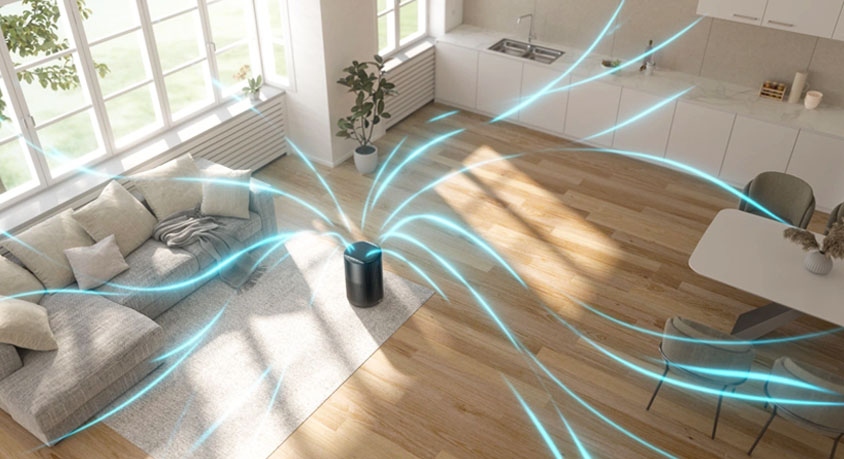
This creates a pervasive data collection vulnerability with a uniquely effective cover. A stationary smart speaker only hears what happens near it. A mobile phone can be left in another room. A pet, however, is a living, mobile acoustic beacon. Its collar-mounted translator hears everything: your private conversations, your TV habits, your arguments, your business calls—all captured in the background while the device's primary algorithm filters for canine sounds. The privacy policy will state that "only pet-related audio is processed," but the raw audio must be analyzed by an algorithm to make that determination. Even if the company is scrupulous, the temporary existence of that audio data in a processing buffer creates risk. A software bug, a malicious insider, or an overly broad data retention policy could lead to snippets of human conversation being stored or misclassified.
The commercial incentive for data collection is significant. "Pet-related" metadata is immensely valuable. The patterns of your dog's vocalizations could indicate your own daily schedule, stress levels (pets often react to owner anxiety), or even when you are away from home. This dataset, aggregated across millions of homes, could inform not just pet food advertising, but also broader behavioral analytics for insurance, home security, or wellness companies. Your pet's collar becomes a trojan horse for mapping household rhythms.
Therefore, your implementation protocol must treat this device as a potential surveillance tool first, and a translator second. First, conduct a thorough local processing audit. Before purchase, contact the manufacturer and demand clear answers: Is any raw audio data transmitted, or only processed sound waveforms? Can all analysis be done on the device or a local hub, with only the text result sent to the cloud? If they cannot guarantee local-only processing, do not buy. Second, deploy electronic countermeasures. If you use the device, pair it with a local network firewall that monitors its outbound traffic. Use a simple ultrasonic microphone jammer in rooms where sensitive conversations occur; these emit a frequency that confuses microphones but is inaudible to humans and pets. Third, meticulously manage data permissions. Never grant the device's companion app access to your location, contacts, or calendar. Use a separate, dedicated email account for registration. Regularly review and delete your historical data from the company's servers.
The dream of talking to your animal is powerful. The reality in 2026 is a trade: you offer intimate acoustic access to your home in exchange for speculative, algorithmically generated captions for your dog's behavior. The translation feature may be entertaining, but it is not science. The data collection, however, is a measurable fact. Prioritize devices that are technologically designed to be deaf to everything but the pet, and be prepared to enforce that deafness through network isolation and signal disruption. Your dog's barks are your business. The soundscape of your home is not. Configure your technology to respect that boundary, or the most revealing translation might be of your own private life to a third-party server.
Disclaimer: Mention of any brand or trademark is for identification only and does not imply partnership or endorsement