You sit in a café, your smartphone, smartwatch, wireless earbuds, and perhaps a fitness tracker all silently broadcasting their presence. This isn't a malfunction; it's the normal function of Bluetooth Low Energy (BLE), the protocol designed for connectivity and efficiency. To you, these are personal devices. To a passive scanner—a small, inexpensive hardware unit left running in a bag, at a store entrance, or in a public transit seat—they are a unique, persistent digital signature. In 2026, the threat isn't someone hacking your device's contents; it's the trivial ease with which your device's mere existence can be logged, tracked over time, and correlated to your real-world identity, creating a vector for highly targeted digital profiling and, ultimately, extortion.
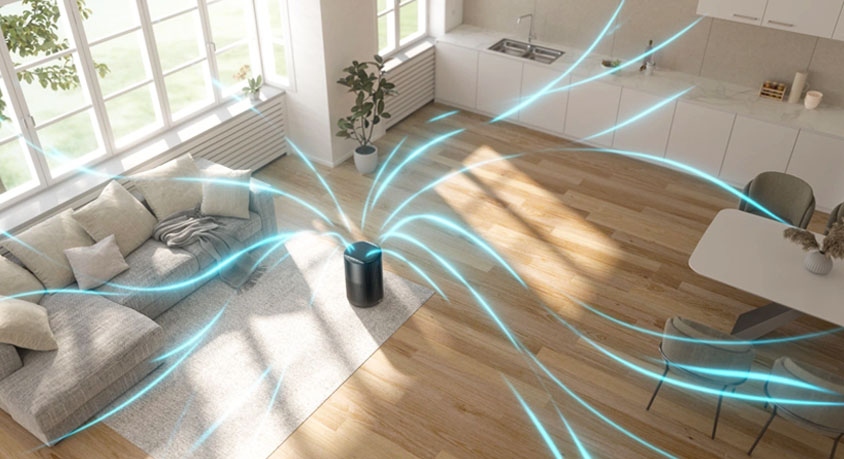
The mechanism is alarmingly simple. Each BLE device broadcasts a unique, factory-set identifier called a Media Access Control (MAC) address. Think of it not as a name, but as a distinct serial number shouted into the void every few seconds to find compatible peripherals. For years, iOS and Android have implemented MAC address randomization for Wi-Fi, making phones harder to track. However, the ecosystem of other wearables and IoT accessories often uses fixed, non-randomized Bluetooth MAC addresses. A scanner in a fixed location logs every MAC address that passes by. If your distinctive cluster of devices—your phone, your specific model of smartwatch, your uncommon brand of earbuds—is seen at a luxury gym in the morning, a corporate office park at noon, and a high-end grocery store in the evening, a pattern of wealth and routine is established without ever accessing a single device's data.
The critical link to your identity occurs at choke points where anonymous Bluetooth data crosses verified personal information. You use a store loyalty card or a credit card at a checkout. The store's own security systems, which may include Bluetooth scanners for "customer flow analysis," now have a timestamped record linking your unique device fingerprint to your name and purchase history. If that data is leaked or sold, a third party can now attach your name to that device cluster. From that moment forward, any public scanner that detects your devices knows it is you passing by. Your movements are no longer anonymous.
This data becomes a powerful tool for extortion in two primary forms. First, through highly targeted phishing, or "spear-phishing." An email referencing your exact commute pattern, your frequented locations, or even inferring health data from a persistent fitness tracker signal, carries terrifying credibility to trick you into clicking a malicious link. Second, through direct blackmail. A message stating, "We know you visit [specific sensitive location] every Tuesday at 3 PM. Pay in cryptocurrency or we notify [a specific person]," leverages the intimate knowledge of your physical routine derived from nothing more than listening to public radio broadcasts from your gadgets.
Your defense protocol must shift from protecting data on devices to minimizing the signature of your devices. Step one is aggressive Bluetooth management. Configure your smartphone to randomize its Bluetooth MAC address (a setting now found in most OS privacy menus). More critically, power off Bluetooth on all peripheral devices—smartwatches, earbuds, fitness trackers—when they are not actively in use. A silent device is an invisible device. Step two is signal containment in high-risk areas. Use a Faraday pouch or a simple signal-blocking bag for your devices when you need to carry them but not use them. This physically prevents all radio frequency emissions. Step three is regular device auditing. Periodically, use your own Bluetooth scanner app to see what your devices are broadcasting. If a device does not support address randomization and cannot be easily powered off, consider its necessity. The goal is to reduce your unique digital entropy, making your device cluster look as generic and transient as possible.
The new tracking economy is built on the exhaust of your convenience. Your Bluetooth signature is a trail of digital breadcrumbs leading directly to your habits and identity. The solution is not to abandon technology, but to consciously control its broadcast state. Treat Bluetooth not as a default-on feature, but as a temporary tool—like a flashlight—to be enabled for a specific task and disabled immediately after. Your anonymity in 2026 is measured by the silence of your radios. Enforce that silence rigorously.
Disclaimer: Mention of any brand or trademark is for identification only and does not imply partnership or endorsement