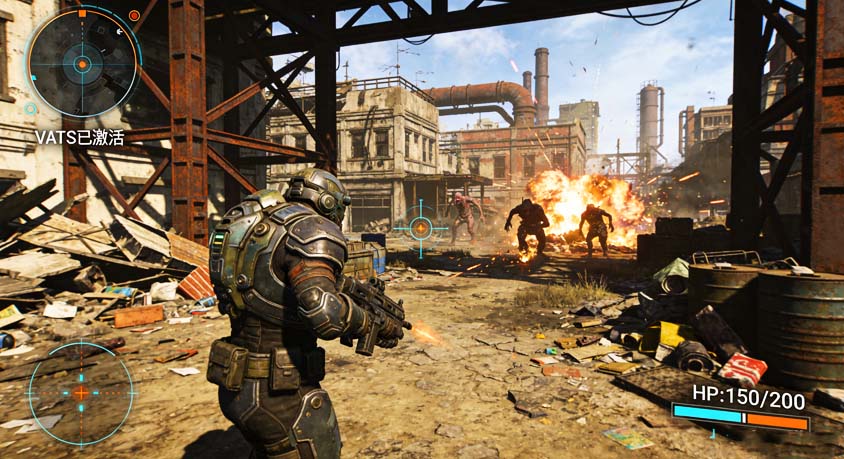
So, here's a sentence I didn't expect to write in the year of our lord 2026: Fallout 4 is, once again, one of the most played games in America. Not a remaster. Not a sequel. The same game we all played—and lovingly critiqued—back when “Pip-Boy” was a novelty and “another settlement needs your help” was a fresh new form of digital masochism. It’s been topping sales and download charts, beating out shiny new titles. The catalyst, of course, is Amazon’s genuinely excellent television series. But this isn't just a simple case of good marketing. This is a cultural phenomenon that feels less like a promotion and more like a mass hypnosis session, where an entire population suddenly remembered they left the stove on in the Commonwealth. The real question isn't how this happened, but why it feels so deeply, weirdly satisfying.
The series succeeded where decades of trailers failed: it made people feel the tone of Fallout, not just see it. For gamers, the mix of grim post-apocalypse and absurdist Americana is second nature. For newcomers, the show presented it perfectly: the horror is real, the stakes are life and death, but also, a man might get his head crushed by a brutal power fist while a 1950s jingle about atom bombs cheerfully plays in the background. It captured the essential, baked-in irony of the franchise—the tragedy is real, but you’re allowed, even encouraged, to laugh at the cosmic joke of it all. The show didn't just create new fans; it handed them a decoder ring for a world we veterans have been living in for years. And once you have that key, the natural instinct is to go find a door to unlock. For many, that door was the most accessible, modern entry point: good old Fallout 4.
This created a fascinating feedback loop. New players, buzzing from the show’s vibe, boot up the game. They don't just see dated graphics or familiar Bethesda jank; they see an infinite expansion pack for the story they just loved. They get to wander the Wasteland themselves, crafting their own tales of survival and stumbling upon their own weird, darkly funny vignettes. Meanwhile, the veterans are lured back by a powerful sense of nostalgia, but it’s a nostalgia viewed through a new lens. We return to our old saves not just to reminisce, but to see the world with new, show-informed eyes. We listen to the radio holotapes with a deeper appreciation for the stories they hint at. That raider camp isn't just a shootout; it's a potential backstory waiting to be imagined. The show didn't replace the game's lore; it fertilized it, making everything feel richer and more connected.
But there's a warmer, simpler truth beneath all this analysis. In a gaming landscape increasingly dominated by live-service pressure, complex battle passes, and the anxiety of missing out, Fallout 4 represents something precious: a complete, unchanging world. It’s a giant, single-player toy box you can enter and exit on your own terms. There’s no meta to learn, no seasonal reset, no fear of your gear becoming obsolete. The series reminded everyone of the joy of getting lost in a place, not a playlist. It’s a return to a slower, more self-directed kind of gaming, where the goal isn't a ranked badge, but the satisfaction of exploring a ruined highway overpass just to see what’s up there. The show created a craving, and the game provided a limitless buffet to satisfy it.
So, Todd Howard hasn't retconned our childhood; he's managed to pull off the ultimate magic trick. He made an old game feel new again, not by changing a line of code, but by reminding the world of the unique, enduring spell the entire Fallout universe casts. It's a spell of tragic optimism, of finding humanity and humor in the ashes. The series lit the fuse, but the powder keg of longing for a vast, single-player, story-rich world was already there, just waiting.
Disclaimer: Mention of any brand or trademark is for identification only and does not imply partnership or endorsement