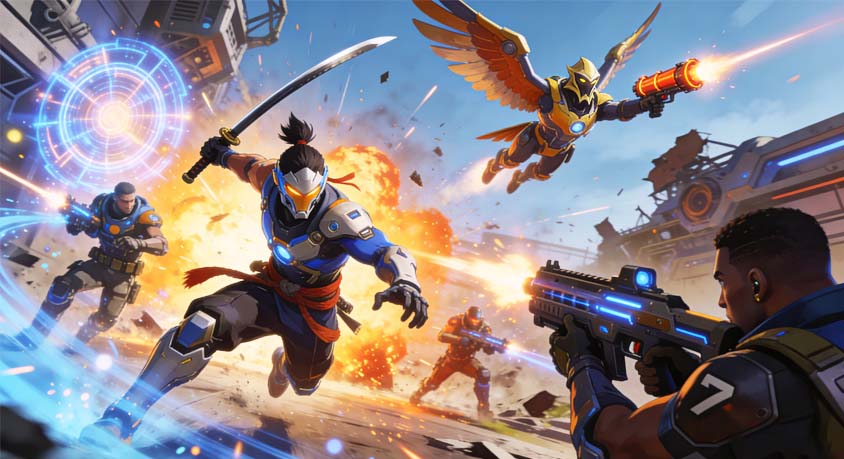
There's a particular look that crosses the face of a seasoned Overwatch player when you mention Marvel Rivals. It's not outright betrayal, nor is it pure hype. It's a complex, weary expression—a mix of cautious hope, simmering frustration, and the dawning realization that they might finally have some leverage. For years, the hero shooter genre has been a one-town show, a company town named Overwatch. We loved it, we built lives there, but lately, the complaints about the management (looking at you, patch notes and monetization) have been getting louder. Now, a new competitor has rolled in with a flashy, recognizable franchise and surprisingly solid gameplay, and the exodus isn't just about novelty. It's about something far more primal: the intoxicating feeling of being courted again after years of being taken for granted.
Let's get the obvious out of the way: Marvel Rivals isn't reinventing the wheel. It's a class-based, objective-focused, ability-driven hero shooter. If you've spent time on the payload in Overwatch, you'll feel right at home. But that's precisely the point. It's not a revolution; it's a competent, well-made alternative that does one crucial thing differently: it respects the player's pre-existing emotional investment. You don't need a Netflix series and three years of comic books to understand why Iron Man and Doctor Strange might have a contentious dynamic. That lore is baked into the global cultural consciousness. Overwatch, for all its brilliant world-building, has always asked players to meet it halfway, to invest in a brand-new universe. For players fatigued by that effort, especially when the narrative payoff has been inconsistent, stepping into a world where every character arrives with decades of backstory feels like a vacation for the imagination. The fantasy is instantly accessible.
But the "killer" instinct runs deeper than just IP recognition. Overwatch 2's evolution, with its shift to 5v5 and a more fragile, deathmatchy feel, left a portion of its community feeling alienated. The game they fell in love with—a slower, more methodical, tank-and-support-centric team brawl—seemed to be fading. Marvel Rivals, with its 6v6 format and a renewed emphasis on tankier characters creating space, feels oddly like a nostalgic callback to an earlier Overwatch era. It's less about killing Overwatch and more about offering a sanctuary to players who miss what it used to be. The "betrayal" isn't malicious; it's a homecoming to a playstyle they feared was extinct.
Furthermore, Marvel Rivals arrives at a moment of profound player empowerment. The live-service model relies on retention through friction—the sunk cost of your skins, your rank, your friends list. But when a credible alternative appears, that friction weakens. The mere existence of Rivals is a powerful message to Blizzard: the players have options now. The excitement isn't just about playing as Magik; it's about the delicious, unspoken possibility that competition might force everyone to up their game. It's the hope that the threat of a "divorce" might inspire some much-needed "marriage counseling" on the other side.
So, is Marvel Rivals the Overwatch killer? Probably not in the literal sense. Overwatch is an institution. But it might be the "complacency" killer. It has successfully identified a weariness in a dedicated player base and offered a compelling, familiar, and well-executed escape hatch. The veteran Overwatch players aren't just trying a new game; they're sending a message in the only language game publishers truly understand: their logged-in hours. They're not just choosing a new hero shooter; they're choosing the possibility of being fought for again. And in the often one-sided relationship between live-service games and their players, that feeling is more powerful than any ultimate ability.
Disclaimer: Mention of any brand or trademark is for identification only and does not imply partnership or endorsement