You know that scene in The Matrix where Neo just plugs in and suddenly knows kung fu? No lessons, no practice, just instant badass. We've all watched it and thought, "Cool, but where do I sign up?" Because let's be real—learning a new skill the old way is brutal. You want to play piano? Months of scales. Golf? Hours of frustration at the driving range. It's giving homework, and nobody has time for that. But what if I told you that scene is closer to reality than you think?
Welcome to the era of haptic learning, where you don't study a skill—you download it. Sort of. We're talking wearable IoT devices that talk directly to your muscles, guiding your movements through subtle vibrations until your body just... knows what to do. It's not magic. It's neuroscience wrapped in a sleek armband, and it's about to make "practice makes perfect" sound as outdated as a flip phone.
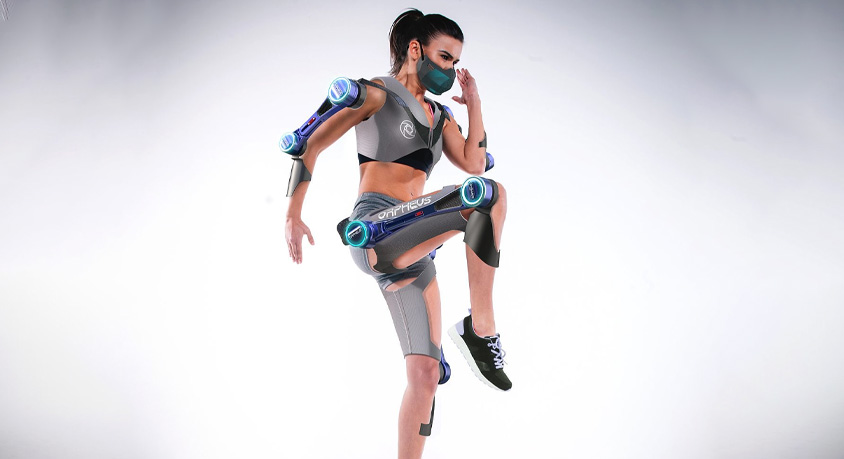
Here's how the tech actually works. You put on a haptic sleeve or a pair of smart gloves embedded with tiny vibration motors—think of them like the buzzing in your phone, but precise enough to feel like a gentle finger tapping your skin. These motors are controlled by an AI that knows exactly how a perfect golf swing or a Chopin etude should feel. As you move, the device buzzes specific points: "rotate here," "lift there," "slow down, you're rushing." It's like having a coach inside your skin, whispering corrections without saying a word.
The science behind this is called proprioceptive feedback, which is just a fancy way of saying your body's ability to sense where it is in space. The vibrations train your nervous system to recognize correct movement patterns. Over time, your muscles start to anticipate the right motion before the device even buzzes. You're not thinking about it. You're just doing it. It's muscle memory on steroids, and it happens way faster than traditional learning because you're bypassing the conscious brain and going straight to the body.
Take learning piano, for example. A beginner's biggest struggle is finger independence—getting each digit to do its own thing without the others freaking out. A haptic glove, synced to a digital score, vibrates the exact fingers that need to move, in the exact timing required. You play along, following the buzzes. After a few repetitions, your fingers start moving on their own when you hear the music. You're not reading notes. You're not thinking about finger placement. You're just feeling the song through your skin. It's wild.
For golfers, the application is even more direct. A haptic sleeve on your lead arm buzzes at specific angles during your backswing and follow-through. You swing, feel the buzz, adjust, swing again. The device records every attempt, comparing your motion to a pro template, and refines the feedback in real time. After a bucket of balls, your body knows the right path. You're not guessing. You're not overthinking. You're just swinging, and the buzzes keep you honest.
The data layer is where it gets really smart. These devices don't just buzz randomly—they learn your body. They map your range of motion, your typical errors, your unique quirks. Over time, the feedback becomes more subtle because you need less correction. It's like the device is fading into the background, only tapping you when you drift. Eventually, you take it off, and the skill is just... there. Your body remembers what the buzzes felt like, and it recreates the movement automatically.
The privacy angle is refreshingly simple. Your movement data is personal—it reveals how your body works, your physical limitations, maybe even injuries. The best devices keep this data local or give you full control over sharing. You're not training an AI to sell you golf lessons. You're just training yourself. The device is a tool, not a spy.
The cultural shift here is massive. We've been taught that skill acquisition requires suffering—hours of boring drills, frustration, and the slow grind of improvement. But why? Why can't we learn the way our bodies are designed to learn, through sensory feedback and repetition? The haptic learning model flips the script. It's not about trying harder. It's about feeling more. You stop fighting your body and start listening to it.
Disclaimer: Mention of any brand or trademark is for identification only and does not imply partnership or endorsement