You walk into the warehouse. You scan your first package. The scanner is on your wrist. It knows how many seconds it took you to grab it. It knows your heart rate as you lift. It knows how many steps you took between stations. At your lunch break, a notification appears: "Pace down 12% compared to your average. Suggestion: Take your full 30-minute break today." It sounds like a concern. It is not a concern. It is a data point being fed into a model that predicts worker fatigue, optimizes shift scheduling, and flags employees who cannot maintain the required throughput. Your body is now a metric. Your fatigue is now a variable in a spreadsheet.
This is the wearable manager. It does not speak. It does not hold meetings. It does not write performance reviews. It just collects. And it collects everything. The ring scanner tracks your hand speed. The smart badge tracks your location. The wristband tracks your pulse. The insole tracks your steps. Collectively, they produce a digital twin of your labor. Every movement is quantified. Every pause is measured. Every slowdown is noted. The system does not care why you slowed down. It only cares that you did.
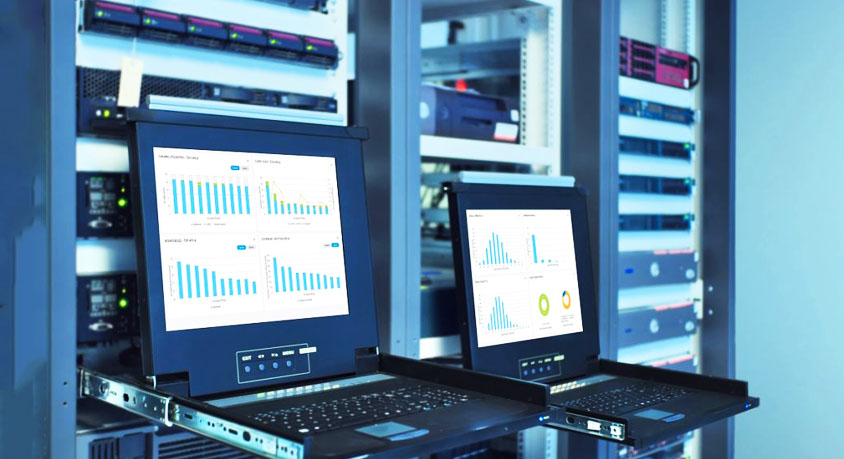
The technology is mature. Industrial IoT sensors have shrunk to fit in a badge. Battery life now spans a full shift. Wireless networks in warehouses and offices are dense enough to track a worker to within a few inches. The data streams to a cloud platform where algorithms compare your performance against your own history, against your peers, and against a theoretical optimum. The output is a productivity score. That score determines schedules, bonuses, and sometimes employment.
The promise is efficiency. Amazon popularized this model in its fulfillment centers. The argument is that real-time feedback helps workers pace themselves, prevents injury by detecting unsafe movements, and allows management to allocate labor where it is needed most. In theory, the wearable is a coach. In practice, it is a timer. And a timer that knows your heart rate is a timer that knows when you are tired, when you are stressed, and when you are about to slow down.
The data exhaust from these devices is immense. A single worker generates millions of data points per shift. Aggregated across a workforce, the dataset reveals patterns. It shows which workers are most productive in the first hour. It shows which workers peak after lunch. It shows which workers are likely to quit based on a combination of heart rate variability and movement speed. It predicts. And predictions lead to decisions.
The ethical friction is the asymmetry of information. The worker feels tired. They know they are slowing down. But they do not know that the system has already calculated their fatigue score and flagged them for a "productivity coaching session" tomorrow. They do not know that their heart rate data, collected under the guise of safety, is being used to compare them to a 25-year-old in the next aisle. They do not know that the algorithm has decided they are a "high risk of attrition" and adjusted their schedule accordingly. The worker experiences the consequence. The system holds the cause.
The legal landscape is catching up slowly. In Europe, the General Data Protection Regulation imposes limits on biometric data collection. In the United States, it is patchwork. Some states require consent. Others do not. The worker often signs away their rights in a 40-page employment contract. They click "agree" because they need the job. The wearable becomes mandatory. Refusal is grounds for termination.
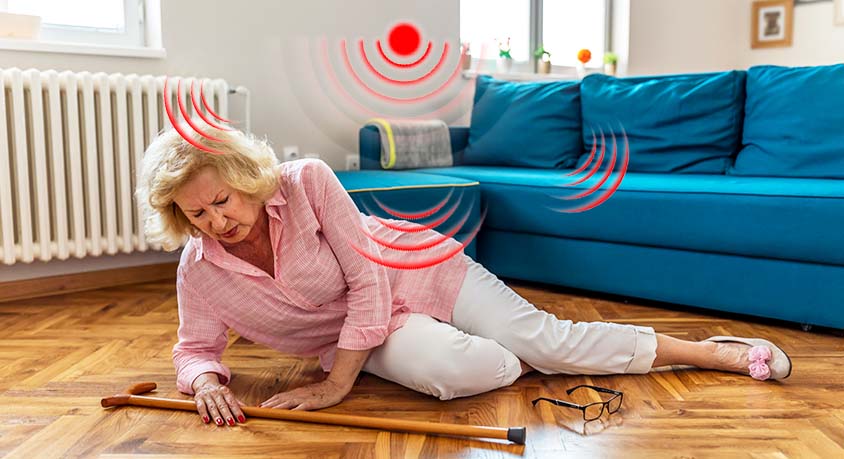
The counterargument is safety. In heavy industry, fatigue kills. A worker who collapses from heat stress on a factory floor is a liability and a tragedy. A wristband that alerts a supervisor when core temperature rises can save a life. A smart badge that detects a fall and calls for help is a genuine innovation. The line is between protection and pressure. When the same device that monitors your safety also monitors your speed, the intent blurs. Is it protecting you, or protecting the production quota?
The solution is not to ban the technology. That is unrealistic. The solution is transparency and control. Workers should see their own data in real time, in the same format their manager sees. They should have the right to correct inaccuracies. They should have the right to know what predictions are being made about them. And they should have the right to opt out of biometric collection without losing their job. If the device is truly for safety, safety does not require continuous performance scoring.
The future of work will include more wearables, not fewer. The sensors will get smaller. The data will get richer. The algorithms will get smarter. The question is who owns the data and who benefits from the insight. If the worker is just a sensor node in a system they cannot see, the wearable becomes a leash. If the worker is a partner in the data, using the insight to work smarter and safer, the wearable becomes a tool. The difference is not the hardware. It is the contract. And most workers today signed a contract they never read, for a system they cannot see, measuring a body they no longer fully control.
Disclaimer: Mention of any brand or trademark is for identification only and does not imply partnership or endorsement