The popularity of smart home makes it easier and smarter for us to control our living environment. Among the many smart home products, smart light bulbs are undoubtedly one of the most representative products. In this article, we will discuss the functional characteristics of such smart bulbs and the convenience they bring.
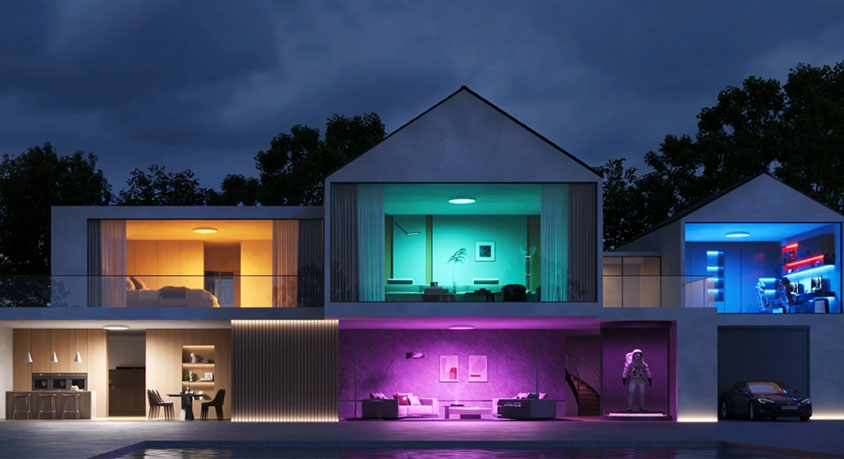
Smart bulbs have revolutionized traditional lighting with their unique control methods. Users can easily adjust the brightness, color and on/off status of the lights through a dedicated app or voice assistant. This high level of control not only enhances the comfort of living, but also adjusts the lights to different needs and scenarios. For example, when reading in the evening, users can turn the light to a soft warm color to protect their eyes; when hosting a party, they can choose a brighter light or even adjust it to a dynamic color to create an atmosphere. Many smart bulbs also support remote control, allowing users to adjust the lights in their homes at any time, even when they are away, to ensure home safety and energy savings.
These smart bulbs support personalized settings, allowing each family member to customize the lighting environment to their liking. Users can create and save multiple lighting scenes through the app. For example, when waking up in the morning, the light can gradually brighten to simulate a natural sunrise effect to help the body wake up naturally; in the evening, it can be set to a relaxation mode, where the light gradually dims to create a peaceful atmosphere. This personalized setting not only enhances the user's quality of life, but also provides a suitable lighting environment for various family activities.
Compared to traditional light bulbs, smart bulbs consume less power while providing the same brightness. Smart bulbs utilize advanced LED technology, which is more efficient than traditional incandescent bulbs and can significantly reduce power consumption. In addition, many smart bulbs are equipped with an automatic brightness adjustment feature that automatically adjusts the light intensity based on changes in ambient light, thereby further reducing energy consumption. This not only helps to save on electricity bills, but also contributes significantly to environmental protection.
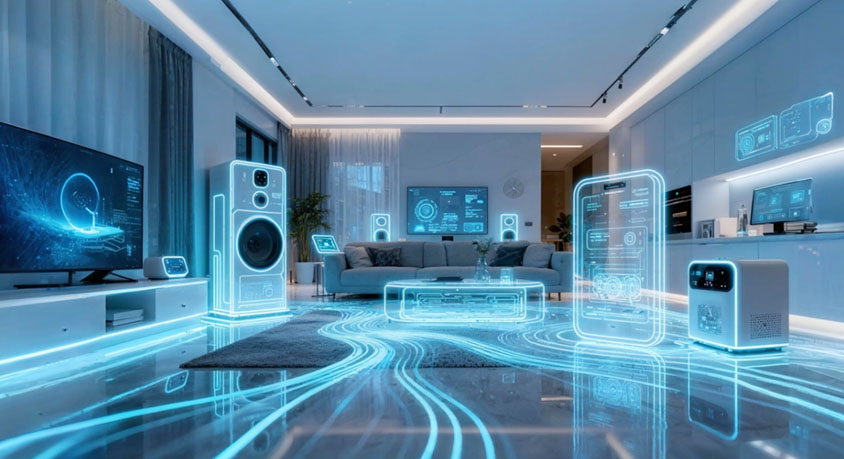
This smart bulb can be seamlessly integrated with multiple smart home systems to form a unified smart home ecosystem. Users can connect it to other smart devices such as thermostats, security systems, door locks, etc. and manage them through a unified app. For example, lights can be linked to the security system so that when the security system detects an anomaly, the lights will automatically blink to alert the user; or when the thermostat senses a change in indoor temperature, the lights can be adjusted to a specific color temperature to alert the user. This integration not only enhances the level of home automation, but also simplifies the user's operation process, making the entire home system more intelligent and convenient.
As technology continues to advance, the functions of smart bulbs are evolving. Future smart bulbs may integrate more sensors and smart features, such as the ability to automatically adjust color temperature to adapt to the biological clock, or learn users' habits and preferences through artificial intelligence to provide a more personalized lighting experience. In addition, future smart bulbs may also be compatible with more smart devices and platforms for even broader feature integration. These advances will further promote the application of smart bulbs in smart home systems, enhancing users' quality of life and level of intelligence.
Disclaimer: Mention of any brand or trademark is for identification only and does not imply partnership or endorsement